54B, Tailstoi Town 5238 MT, La city, IA 522364



Doxwell & Rehabilitation Clinic focuses on maintaining health for people of all ages, helping patients pain and prevent disease.
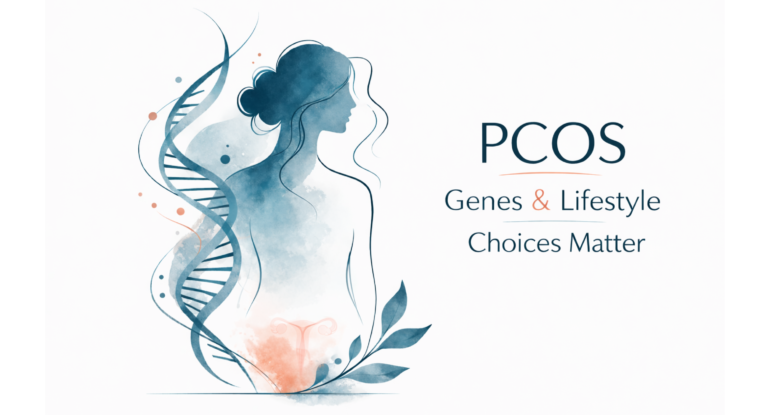
Polycystic Ovarian Syndrome (PCOS) is a complex hormonal and metabolic disorder affecting women of reproductive age. It is characterised by irregular menstrual cycles, hyperandrogenism (elevated male hormones) and polycystic ovarian morphology. Approximately 1 in 10 women of reproductive age worldwide lives with this condition, making it one of the most common disorders affecting reproductive and overall health (WHO,2023).
In PCOS, the body’s hormones are out of balance, especially around the ovaries, insulin, and male-type hormones called androgens. The ovaries develop numerous small immature follicles, which create the polycystic appearance on imaging. More than 50% of women with PCOS have insulin resistance, meaning their cells don’t respond well to insulin (Naeem et al., Journal of Ovarian Research, 2025). As a result, the body produces more insulin, which can increase blood sugar levels, contribute to weight gain, and stimulate the ovaries to produce excess androgens, which worsens PCOS symptoms.
Over time, this mix of hormonal and metabolic changes can affect fertility, skin, hair, mood, and long-term risk for insulin resistance, type 2 diabetes and cardiovascular disease.
PCOS is regarded as highly heritable, with research suggesting that roughly 60–70% of the variation in who develops the condition stems from genetic factors, influenced by a continuous interplay between our genes and everyday lifestyle habits (Mykhalchenko et al., Expert Review of Molecular Diagnostics, 2017). It is polygenic, meaning many genes contribute small amounts to overall risk. One of the most well-studied genes linked to PCOS is DENND1A (McAllister et al., Proceedings of the National Academy of Sciences, 2014). Like many genes, DENND1A exists in slightly different versions, known as genetic variations. These variations are small changes in the DNA code that make each person genetically unique. Research from populations around the world has found that certain versions or variations of the DENND1A gene are more common in women with PCOS, increasing their likelihood of developing the condition.
These variations likely alter signal processing in ovarian cells, promoting excess androgen production that manifests as the listed symptoms. However, genes are not fixed on–off switches; lifestyle factors such as diet, physical activity, sleep, and stress can influence how strongly these genes are expressed, a process known as epigenetics.
The encouraging part is that, while there is no cure for PCOS, many women can significantly improve their symptoms through consistent lifestyle changes. When these changes are aligned with an individual’s genetic makeup, they may have an even greater impact. Eating low-glycemic, balanced meals such as those recommended in the DASH diet, which emphasises vegetables, whole grains, nuts, and lean protein, helps keep blood sugar and insulin levels stable, supporting both metabolic and hormonal health.
Regular exercise is equally crucial; even a 5% decrease in body weight can have a positive effect on hormone levels and ovulation (Silvestris et al., Reproductive Biology and Endocrinology, 2018). Additionally, a weekly goal of at least 150 minutes of moderate exercise, combined with strength training, may help increase insulin sensitivity. Changes in lifestyle, such as practising yoga or mindfulness to manage stress and prioritising sleep, are also important because long-term stress and insufficient sleep can increase cortisol levels, which in turn exacerbate inflammation and insulin resistance.
Although PCOS is a chronic condition, it can be managed effectively. Understanding your genetic predisposition gives you the power to make lifestyle choices that can epigenetically influence how these genes are expressed. Even small, consistent lifestyle steps can have a significant impact on managing PCOS, allowing women to take active control of their long-term health.